
By: Rhoda Bogeta
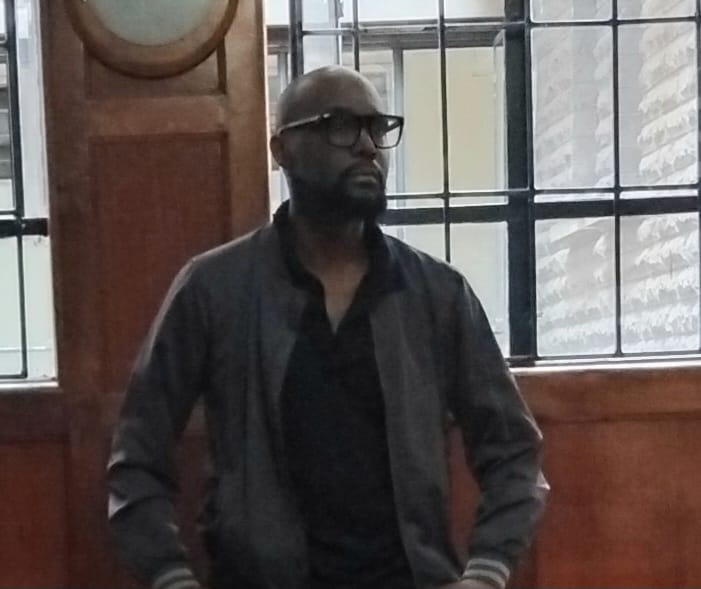
Atheists in Kenya founder Harrison Mumia has asked a Nairobi court to compel the prosecution to supply a statement recorded by President William Ruto, whom he claims is the principal complainant in his cybercrime case.
Mumia made the application when he appeared before the court for pre-trial directions in the matter.
Through his advocate Suyianka Lempaa, the accused also sought a review of the Sh500,000 cash bail imposed on him, arguing that the amount was excessive for a misdemeanour offence and beyond his means.
Counsel told the court that Mumia maintains his innocence and that the bail terms were punitive in nature.
“Your honour, only two witnesses have been listed on the charge sheet, yet it is our understanding that President William Ruto is the complainant. We urge the prosecution to supply us with his statement,” Lempaa submitted.
The defence further asked the court to reduce the cash bail from Sh500,000 to Sh50,000, saying the accused was unable to raise the amount set by the court.
According to the charge sheet, Mumia is accused of using a pseudonymous Facebook account under the name Robinson Kipruto Ngetich to publish images of President Ruto lying on a bed and falsely portraying him as deceased.
He is also alleged to have posted another image depicting the Head of State on a hospital bed in critical medical condition.
Prosecutors further allege that Mumia shared similar images on his Instagram account, @harrisonmumia, again falsely suggesting that the President was gravely ill or dead.
The State opposed the application, informing the court that investigations into the matter are ongoing and that the images had circulated widely online before authorities intervened.
The prosecution maintained that the charges were lawful and aimed at curbing the spread of harmful misinformation in the digital space.
In her ruling, Magistrate Rose Ndombi declined to review the bond terms, stating that the court would first await a pre-bail report.She directed that the report be filed on Thursday.
The case has attracted public attention after Mumia was held in custody for four days by detectives from the Directorate of Criminal Investigations before being arraigned in court, a move that drew criticism from civil liberties organisations and free speech advocates over the length of his detention.


